• My Nearest City

Blog

Wales Park: A Scenic Retreat in the Heart of Kandy

Wales Park, also known as Royal Palace Park, is a picturesque hilltop park in Kandy, Sri Lanka, offering stunning views of Kandy Lake and the city. Originally established by King Sri Vikrama Rajasinha, it was later renamed by the British in honor of the Prince of Wales.

Historical Significance

The park was built on Castle Hill, the former site of a royal palace. In 1880, Herbert Wace, the Government Agent of the Central Province, restored the neglected site and developed it into a public park.

Key Features

  • Japanese Field Gun: Captured by the British in Burma during World War II, presented to Kandy by Lord Mountbatten.
  • Walking Trails & Greenery: Offers peaceful paths surrounded by lush vegetation.
  • Sunset Views: A popular spot for watching the sunset over Kandy.

Visiting Wales Park

  • Location: Ven Imbulpitiye Dhammapala Thero Mawatha, Kandy, Sri Lanka
  • Opening Hours: 8:00 AM – 5:00 PM
  • Nearby Attractions: Temple of the Tooth Relic, Kandy Lake, Udawattakele Forest Reserve

Wales Park remains a tranquil escape in the heart of Kandy, blending history, nature, and breathtaking views.

By Metroadd – Your Trusted Travel Guide for Tourists
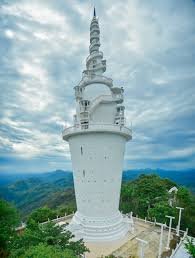
Ambuluwawa Tower: A Symbol of Religious Harmony and Natural Beauty

Located in Gampola, Sri Lanka, the Ambuluwawa Tower is a striking architectural marvel that stands atop Ambuluwawa Mountain, offering breathtaking panoramic views of the surrounding landscapes. It is part of the Ambuluwawa Biodiversity Complex, Sri Lanka’s first multi-religious sanctuary, promoting unity among different faiths.

Historical Significance

The Ambuluwawa Biodiversity Complex was established in 2009 as an initiative by D.M. Jayaratne, Sri Lanka’s former Prime Minister. The site features a Buddhist Stupa, Hindu Kovil, Christian Church, and Muslim Mosque, symbolizing religious coexistence. The mountain itself was discovered by King Buvanekabahu IV in the 14th century and is known for its rich biodiversity.

Architectural Marvel

The Ambuluwawa Tower, often referred to as the White Tower, stands at 48 meters (157 feet) and features a spiraling staircase that narrows as it ascends. The climb is both thrilling and challenging, rewarding visitors with 360-degree views of the Knuckles Mountain Range, Pidurutalagala, and Adam’s Peak.

Visiting Ambuluwawa Tower

  • Location: Ambuluwawa Mountain, Gampola, Sri Lanka
  • Height: 48 meters (157 feet)
  • Opening Hours: 7:30 AM – 5:00 PM
  • Nearby Attractions: Gampola Town, Mahaweli River, Kandy City

By Metroadd – Your Trusted Travel Guide for Tourists

Kandy War Cemetery: A Tribute to Fallen Soldiers

The Kandy War Cemetery, formerly known as the Pitakande Military Cemetery, is a solemn memorial dedicated to soldiers of the British Empire who lost their lives during World War II, along with one soldier from World War I. Located in Lady Magdalene Drive, Kandy, this cemetery is maintained by the Commonwealth War Graves Commission.

Historical Significance

The cemetery holds 203 graves, representing soldiers from various nationalities, including 107 British, 35 East Africans, 26 Sri Lankans, 23 Indians, 6 Canadians, 3 Italians, 1 Frenchman, and 2 unidentified individuals. These fallen soldiers served in different military branches, including the Army, Navy, Air Force, Merchant Navy, and National Fire Service.

During World War II, Sri Lanka was a strategic location for the British, and the fear of a Japanese invasion led to heightened military activity. Though an invasion never occurred, Japanese forces launched air raids on Colombo and Trincomalee in April 1942, resulting in casualties who were later buried in war cemeteries across the island.

Cemetery Layout & Maintenance

The Commonwealth War Graves Commission ensures that the cemetery remains well-preserved, with neatly arranged tombstones and a tranquil atmosphere. Due to its scenic location and meticulous upkeep, the Kandy War Cemetery is considered one of the most beautifully maintained war cemeteries in the world.

Visiting the Cemetery

  • Location: Lady Magdalene Drive, Kandy, Sri Lanka
  • Opening Hours: 7:30 AM – 4:30 PM
  • Managed by: Commonwealth War Graves Commission
  • Nearby Attractions: Peradeniya Botanical Gardens, Temple of the Tooth Relic

The Kandy War Cemetery stands as a poignant reminder of the sacrifices made during wartime, offering visitors a place for reflection and remembrance.

By Metroadd – Your Trusted Travel Guide for Tourists
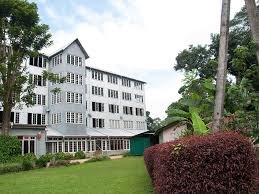
Ceylon Tea Museum: A Tribute to Sri Lanka’s Tea Heritage

Nestled in the scenic hills of Hanthana, just a few kilometers from Kandy, the Ceylon Tea Museum stands as a testament to Sri Lanka’s rich tea legacy. Housed in the former Hanthana Tea Factory, this museum offers visitors a glimpse into the evolution of Ceylon tea, from its colonial beginnings to its global prominence today.

Historical Significance

The Hanthana Tea Factory was originally constructed in 1925, during a time when tea cultivation was flourishing in Sri Lanka. The museum was officially opened in 2001, following efforts by the Sri Lanka Tea Board and the Planters’ Association to preserve the island’s tea heritage. Hanthana was one of the first areas successfully cultivated for tea after the decline of coffee plantations. The museum pays homage to pioneers like James Taylor, who introduced tea to Sri Lanka in the 19th century.

Exhibits & Attractions

The museum spans four floors, each dedicated to different aspects of tea production and history:

  • Ground Floor: Displays vintage tea-processing machinery, including colonial-era rollers, dryers, and fermentation tables.
  • Second Floor: Houses a tea library with historical documents and research materials.
  • Third Floor: Features a tea shop, where visitors can purchase premium Ceylon tea varieties.
  • Top Floor: Offers a tea café with panoramic views of the Knuckles Mountain Range, allowing guests to enjoy freshly brewed tea in a serene setting.

Cultural & Modern-Day Relevance

The Ceylon Tea Museum serves as an educational hub, attracting tea enthusiasts, historians, and tourists alike. It provides insights into the tea industry’s impact on Sri Lanka’s economy, as well as the meticulous process behind tea cultivation and production.

Visiting the Museum

  • Location: Hantana Rd, Kandy, Sri Lanka
  • Opening Hours: 8:30 AM – 4:30 PM
  • Entry Fees: Local and foreign visitor rates apply
  • Nearby Attractions: Kandy Lake, Temple of the Tooth Relic, Udawattakele Forest Reserve

The Ceylon Tea Museum is more than just a historical site—it’s a celebration of Sri Lanka’s tea culture, offering visitors a unique opportunity to explore the legacy of Ceylon tea.

By Metroadd – Your Trusted Travel Guide for Tourists

Royal Palace of Kandy: A Timeless Legacy of the Kandyan Kingdom

Nestled in the heart of Sri Lanka’s historic city of Kandy, the Royal Palace of Kandy stands as a testament to the grandeur and architectural brilliance of the last Sinhalese kingdom. Once the residence of Kandyan monarchs, this palace complex showcases intricate wood carvings, traditional Kandyan-style architecture, and centuries of regal history.

Historical Significance

The palace dates back to the reign of King Vikramabahu III (1357–1374) and was later expanded by King Vimaladharmasuriya I when he shifted the capital to Kandy in the 16th century. Throughout its existence, it played a crucial role in Sri Lanka’s governance, diplomacy, and royal ceremonies.

In 1815, the British colonial administration took control, marking the end of the Kandyan Kingdom. While much of the original structure has been lost, portions of the palace remain intact, offering glimpses into the island’s rich past.

Architectural Marvel

The Royal Palace, located near the Temple of the Tooth Relic, displays quintessential Kandyan architectural features, including intricate wooden pillars, stone carvings, and spacious courtyards. It once housed several key structures:

  • King’s Palace (Raja Wasala) – The main royal residence.
  • Queen’s Palace – A separate section dedicated to the queen.
  • Royal Audience Hall (Magul Maduwa) – Used for official meetings and ceremonies.
  • Temple of the Tooth Relic – Holding the revered relic of Buddha’s tooth, which was central to Kandyan rule.

Cultural & Modern-Day Relevance

Today, the Royal Palace complex serves as a historical museum, drawing scholars, historians, and tourists keen to explore its heritage. The Magul Maduwa, where the Kandyan Convention of 1815 was signed, is a notable remnant of the era. Visitors can admire the craftsmanship and learn about Sri Lanka’s last kingdom before colonial rule.

Visiting the Royal Palace

  • Location: Sri Dalada Veediya, Kandy, Sri Lanka
  • Opening Hours: 8:00 AM – 5:00 PM
  • Entry Fees: Local and foreign visitor rates apply
  • Nearby Attractions: Temple of the Tooth Relic, Kandy Lake, National Museum of Kandy

The Royal Palace of Kandy remains an enduring symbol of Sri Lanka’s regal heritage, offering an unforgettable glimpse into a kingdom that once ruled the island’s central highlands.

By Metroadd – Your Trusted Travel Guide for Tourists